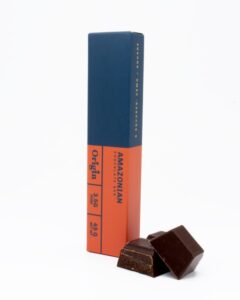
Amazonian Psychedelic Chocolate Bar: 7 Important Facts to Understand
The Amazonian Psychedelic Chocolate Bar is a product described in some online listings as chocolate
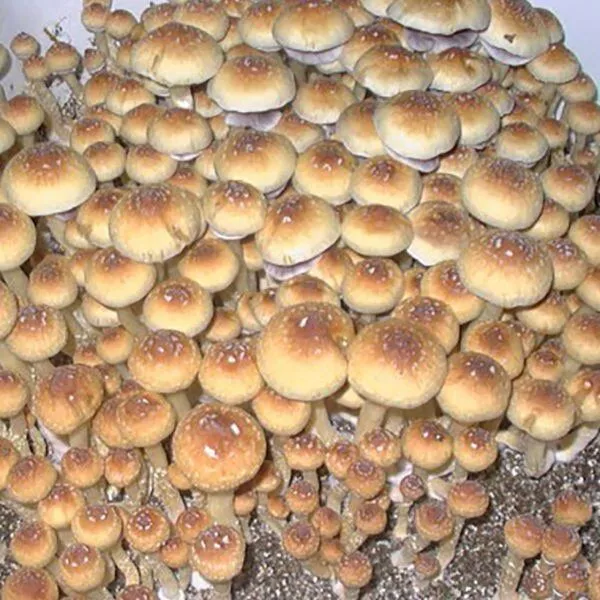
Interest in Creeper Magic Mushrooms has grown alongside broader interest in psilocybin mushrooms and psychedelic research. People searching for information about particular mushroom varieties often encounter a mixture of scientific information, personal experiences, cultivation discussions, and promotional descriptions.
That makes it important to separate established information from anecdotal claims.
Creeper is commonly discussed as a name associated with psilocybin-containing mushrooms. Psilocybin is a naturally occurring psychedelic compound found in certain fungi and is converted by the body into psilocin, the compound associated with many of its psychoactive effects. (DEA)
Creeper Magic Mushrooms are generally discussed within the broader category of psilocybin mushrooms. The name may be used to describe a particular variety or lineage in mushroom-growing communities, but names used online are not always standardized.
That distinction matters because descriptions of a named variety can differ between sources. Appearance, reported potency, cultivation conditions and individual experiences may vary, so a variety name should not be treated as a guarantee of a particular outcome.
When researching Creeper mushrooms, it is useful to distinguish between documented information about psilocybin itself and claims based mainly on personal reports.
Psilocybin is a naturally occurring psychedelic compound associated with certain species of mushrooms. According to the U.S. Drug Enforcement Administration, psilocybin is metabolized in the body into psilocin, which is responsible for many of its psychoactive effects. (DEA)
Psychedelic substances can alter perception, mood and thinking. The intensity and character of these effects can vary considerably from one person to another.
Research into psilocybin has also received increasing scientific attention, but evidence concerning medical applications should be distinguished from anecdotal claims about individual mushroom varieties.
People who discuss psilocybin mushrooms commonly describe changes in perception, emotions, sensory experiences and the perception of time.
Reported experiences may include:
These effects are not identical for everyone. The experience can be affected by individual factors, the environment, expectations and the characteristics of the material involved.
A positive experience for one person does not mean another person will experience the same effects.
One of the more difficult parts of researching magic mushrooms online is the inconsistent use of variety names.
Different websites may describe the same name differently. Some descriptions are based on cultivation communities, while others originate from commercial listings or personal accounts.
This means readers should be careful when a website makes precise claims about the effects or characteristics of a named variety without supporting evidence.
A useful way to evaluate information is to separate three categories:
Scientific evidence: findings from established research and authoritative sources.
Personal reports: individual experiences that may provide context but cannot establish predictable outcomes.
Marketing descriptions: statements intended primarily to promote a product or service.
Keeping those categories separate helps readers make sense of conflicting information.
Psilocybin-containing mushrooms can produce significant changes in perception and judgment. The DEA notes that hallucinogens, including psilocybin-containing mushrooms, can be associated with increased heart rate and blood pressure, dilated pupils, nausea and vomiting. Psychological effects can include anxiety, fear, depression and paranoia. (DEA)
Another important issue is mushroom identification.
Wild mushrooms can resemble one another, and appearance alone does not necessarily establish that a mushroom is safe. Accidental consumption of poisonous fungi is a serious concern.
There can also be additional risks when psychoactive substances are combined with other drugs or substances.
Anyone with questions involving prescription medicines, medical conditions or mental-health concerns should speak with an appropriately qualified healthcare professional.
Psilocybin continues to be studied by researchers interested in its effects on perception, cognition and mental health.
However, research into psilocybin should not automatically be interpreted as evidence that every mushroom variety has established therapeutic benefits.
There is an important difference between controlled scientific research and online claims based on personal experiences.
Readers interested in psychedelic research should look for information from universities, government health agencies, peer-reviewed publications and established scientific organizations rather than relying solely on commercial descriptions.
The legal status of psilocybin differs substantially between jurisdictions.
In the United States, the DEA currently identifies psilocybin as a Schedule I substance under the federal Controlled Substances Act. (DEA)
Local rules can differ, and laws may address possession, cultivation, distribution and other activities separately.
As a result, readers should not assume that information about the legal status of psilocybin in one location applies somewhere else. Anyone researching psychedelic mushrooms should consult the laws applicable to their own jurisdiction and use authoritative local sources.
Are Creeper Magic Mushrooms a separate species?
The name is generally used as a variety or community designation within discussions of psilocybin mushrooms rather than establishing a separate species.
Do all psilocybin mushrooms have the same effects?
No. Experiences can vary considerably. Individual sensitivity, environment and the characteristics of the material can all influence what someone experiences. (DEA)
Can psilocybin mushrooms cause unpleasant effects?
Yes. Public-health and government sources describe possible psychological effects including anxiety, fear, confusion and paranoia. Physical effects can also occur. (DEA)
Is psilocybin legal everywhere?
No. Laws vary between jurisdictions. In the United States, federal law currently classifies psilocybin as a Schedule I substance. (DEA)
Why do online descriptions of mushroom varieties differ?
Variety names are not always standardized, and online descriptions may combine scientific information with personal reports and marketing claims. This can produce significant differences between sources.
Creeper Magic Mushrooms are part of a much broader conversation about psilocybin, psychedelic experiences and ongoing research.
The most useful way to approach the subject is to look beyond promotional descriptions and consider the available evidence, reported effects, safety concerns and applicable laws.
Information about a mushroom variety can provide useful background, but it should not be treated as a guarantee of a particular experience or outcome. For medical or psychological questions, professional advice remains the appropriate source for individual guidance.
The Amazonian Psychedelic Chocolate Bar is a product described in some online listings as chocolate
Creeper Magic Mushrooms: 7 Key Facts, Effects & Safety Guide Interest in Creeper Magic Mushrooms